|
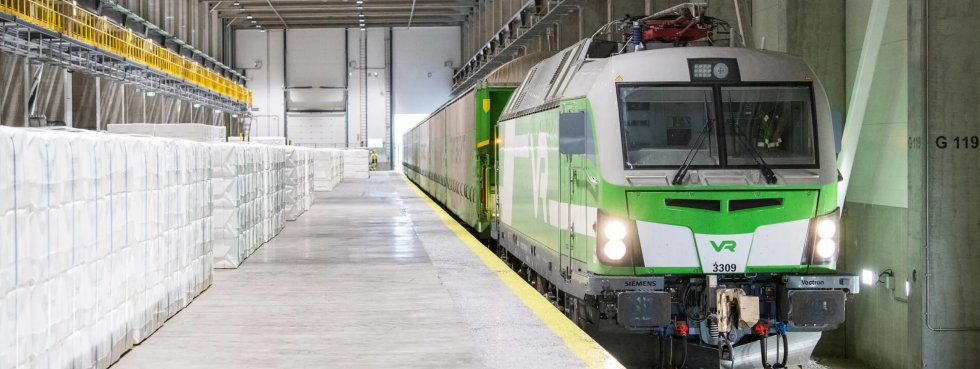
Metsä Fibre Develops Its Logistics and Reduces Emissions Across the Entire Supply ChainJune 23, 2026 - Metsä Fibre’s goal is to reduce logistics emissions by 30 per cent per tonne kilometre by 2030, compared with the 2022 level. The target is part of Metsä Group’s climate work and guides day to day decisions from transport modes to partnerships. According to Erja Karjalainen, Director, Customer Service at Metsä Fibre, the target is pursued by developing the entire supply chain. “Reducing logistics emissions is a key way for us to lower the climate impact of our operations. At the same time, we improve supply chain efficiency and respond to our customers’ growing sustainability expectations,” Karjalainen says. Transport solutions are optimised in close cooperation between logistics, sales and customers. “In practical terms, this means, for example, transporting full units, favouring rail transport and other lower‑emission transport modes, and avoiding unnecessary journeys,” Karjalainen explains. Increasing the share of rail transport is one of the key objectives. Whenever the route and delivery schedule allow, rail is chosen instead of road transport. “Emissions from rail transport per thousand kilometres are significantly lower than those from road transport, so the impact on overall emissions is substantial. This is particularly important in domestic logistics within Finland and in the transport of finished pulp from mills to ports,” Karjalainen says. Emissions are also reduced through the warehouse network. Metsä Fibre has an extensive, customer‑oriented network of port terminals and warehouses around the world, which shortens the final delivery leg. “For example, in Europe, delivery from a local port warehouse significantly reduces the need for road transport compared with delivering all the way from Finland by lorry,” Karjalainen illustrates. Read the complete article on Metsä Fibre’s website: Metsä Fibre Develops Its Logistics |